In this brief market report, we look at the various asset classes, sectors, equity categories, exchange-traded funds (ETFs), and stocks
Free White Paper On Asset Bubbles
Download our Free White Paper on Asset Bubbles to learn how to up your risk management game.
How Do We Make You a Better Investor?
Top Stock Picks
Portfolio Design
Master Classes
Don't leave money on the table.

I have no bias, no spin, and no hidden agenda. I work exclusively for you.
I've been doing this for 30 years. When I left Wall Street, I spent two full years distilling everything I know about investing, and turning it into courses, tutorials, trading strategies, and coaching programs.
This is the same material that was previously available only to my ultra-high net worth clients. I have now "democratized" this information by making it affordable and available to anyone, regardless of the size of their account.
I work for you, and only you. I have no sales quotas to meet, no side deals with product pushers, and no incentive to spin the truth.
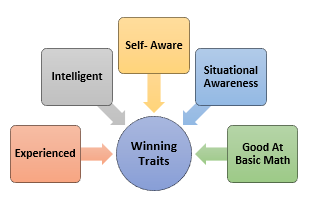
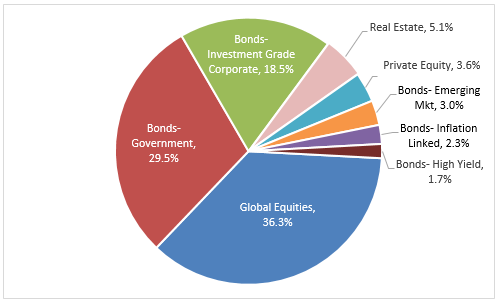
Don't waste time chasing one trendy strategy to the next. Design your own.
I help my clients build their own strategy, and then design a custom portfolio that will fit their personality, risk preferences, and decision-making style.
I show them how to organize their process for maximum efficiency and minimum maintenance.
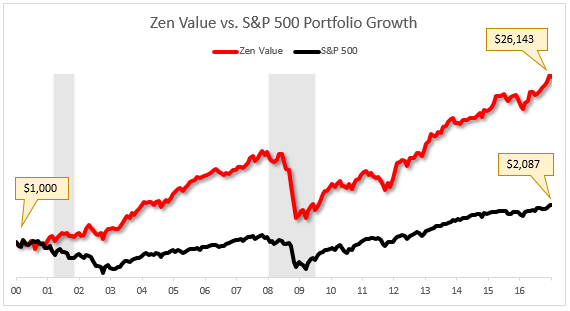
For experienced investors, I offer advanced trading strategies.
My models cover Value, Quality, Momentum, Smart-Money, and multi-factor portfolios.
I have been using these strategies with clients since 2005, and the performance has been outstanding.
Playing smart defense is critical.
I do not advocate market-timing. It's a loser's game. But I offer a defensive strategy overlay that is designed to get my clients out of the way of economic recessions.
This overlay, by itself, can easily add 2% or more to your average annual returns.
Recent Blog
The 1-Minute Market Report January 22, 2024
In this brief market report, we look at the various asset classes, sectors, equity categories, exchange-traded funds (ETFs), and stocks
The Zen Ten – My Top Picks for 2024
I’ve been publishing the Zen Ten list each December since 2008. I pick my favorites and stick with them all year
Here's a sampling of what our clients have to say.
"
I was impressed by your ability to put us at ease and walk us through the tricky process of setting up our portfolios. You did excellent work for us. Thank you!
Colleen Lindberg
/ Psychology Professor, Loyola University
"
I have been a client of Erik since 2008. He helped me recover from the bear market by completely revamping my portfolio design. He knows his stuff, and he actually listens. That's a new experience.
Stephen Drake
/ Recently retired financial manager, The Villages, Florida
"
It has been a great experience learning investing with you! Your training has brought me clearer views to the universe of stock trading methods and ideas, and inspired me to further identify where I am and where I want to be in this universe.
Wesley Shepherd
/ App Developer, Apple Inc.
ZenInvestor NFP is a nonprofit investor advocacy organization. We provide community outreach programs in financial literacy, investment proficiency, and financial self-defense. We are supported by donations, user fees, and subscriptions to our newsletters. We are not personal investment advisors, and we do not offer personal investment advice. We educate, train, and assist clients to help them navigate the complex realm of investing. Investing can be risky, and we encourage our clients to seek the advice of their own Investment professional before making any trading decisions.